Paper Submission Deadline:
First Workshop on Vision Language Models and Applications (ViLaMA 2026)
WORKSHOP DAY21 December 2026 · Monday
VENUEISI Kolkata
DURATIONHalf-day workshop
SUBMISSIONSOpenReview · link to follow
THE WORKSHOP
Workshop Overview
Progress in multimodal foundation models has transformed visual computing from isolated perception tasks into unified systems capable of joint visual reasoning and natural language understanding. Held in conjunction with the Indian Conference on Computer Vision, Graphics, and Image Processing (ICVGIP), this workshop examines the algorithmic foundations, parameter-efficient adaptations, and practical deployments of Vision-Language Models (VLMs). Despite progress in cross-modal alignment, key challenges persist in resource-constrained fine-tuning, domain adaptation, interpretability, trustworthy visual grounding, and multilingual context understanding. This workshop bridges computer vision and natural language processing by exploring core themes, including zero-shot learning, parameter-efficient fine-tuning (PEFT), spatial reasoning, document AI, and hallucination mitigation. Complementing ICVGIP’s main tracks, this venue provides an interactive setting for the frontiers of multimodal models, preliminary breakthroughs, and regional application challenges. Through peer-reviewed oral sessions and expert keynotes, the workshop aims to help interdisciplinary collaboration and chart discussions on directions for multimodal AI research.
Motivation and Scope
The rapid transition of artificial intelligence from single-modality tasks toward multimodal reasoning motivates this Workshop on Vision-Language Models and Applications (ViLaMA), creating a dedicated forum to address how modern vision systems move beyond pixel recognition to interact through natural language. Scientifically, Vision-Language Models (VLMs) represent a pivotal shift by unifying visual perception with linguistic semantic spaces, opening breakthroughs in zero-shot generalization, spatial-temporal visual reasoning, parameter-efficient fine-tuning (PEFT), and multimodal chain-of-thought problem-solving. Hosting this workshop directly enriches the ICVGIP community, bridging classical vision expertise—such as document image analysis, 3D perception, and visual tracking—with contemporary NLP paradigms to foster cross-disciplinary research across academic and industrial Indian AI sectors. This initiative is timely due to the accelerating adoption of foundation models alongside challenges in resource-constrained fine-tuning, trustworthy visual grounding, and adapting multimodal systems to complex regional contexts like multilingual Indian documents and healthcare data. The workshop uniquely complements ICVGIP’s main archival technical sessions by offering an agile, interactive venue for presenting preliminary research breakthroughs, exploring high-impact ideas, and discussing domain-specific adaptations that exceed the scope of core conference tracks. Ultimately, the workshop expects to deliver targeted collaborative research networks across vision, speech and NLP laboratories, outline critical benchmarks for regional multimodal datasets, highlight efficient deployment strategies for local computing infrastructures, and upskill emerging researchers through expert keynotes and industry interactions.
RESEARCH THEMES
Topics of Interest
Image/Video Question Answering
Image/Video Captioning
Document Question Answering
Vision-Language Models for Healthcare
Vision-Language Models for Remote Sensing
Visual Lip Reading
Indian Vision-Language Datasets
Vision-Speech Models
Indian Vision-Speech Datasets
Egocentric Vision-Language Understanding and Reasoning
Multilingual and Low-Resource Multimodal Learning
Lightweight Vision-Language Models
Interpretable and trustworthy Vision-Language Models
Vision-Language Agents
Applications of VLMs
PLAN YOUR SUBMISSION
Important Dates
Acceptance Notification:
Camera Ready Submission:
CALL FOR PAPERS
Paper Submission
The paper submissions will be handled through the OpenReview submission portal. Authors should follow the official ICVGIP 2026 template (8 pages, excluding references) for preparing their manuscripts. The ICVGIP 2026 policies will be applicable (anonymity, re-submission etc.) for all submitted manuscripts. Each submitted paper will receive multiple reviews. The paper acceptance (or rejection) decision will be notified by the workshop organizers.
Publication Plan
The extended versions of accepted papers will be published as book chapters.(Approval Awaited from Springer)
PEER REVIEW
Technical Program Committee
Dr. Alexey Kravets, University of Bath
Dr. Vinod Kumar Kurmi, IISER Bhopal
Dr. Pratik Mazumder, IIT Jodhpur
Dr. Pravendra Singh, IIT Roorkee
Dr. Samik Some, IIT Kanpur
Dr. Arghya Pal, Monash University
Dr. Vinay Kumar Verma, Amazon
Dr. Aakansha Mishra, Amazon
Dr. Tanima Datta, IIT BHU
Dr. Tushar Sandhan, IIT Kanpur
THE PROGRAM
Workshop Schedule
9:00 am - 9:05 am | Inauguration |
|---|---|
9:05 am - 10:00 am | Contributed Paper Presentations |
10:05 am - 11:00 am | Invited Talk #1 |
11:05 am - 11:15 am | Coffee Break |
11:20 am - 12:15 pm | Invited Talk #2 |
12:20 pm - 01:00 pm | Industry Talk |
KEYNOTE SPEECHES
Invited Speakers
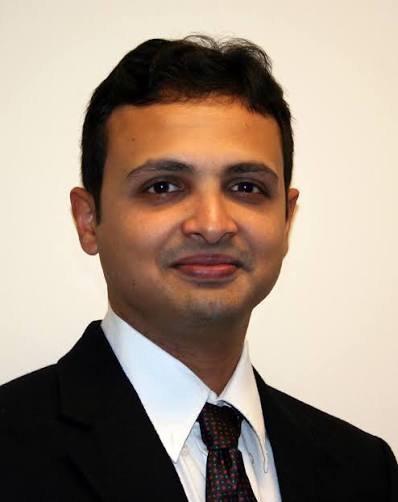
Dr. Vineeth N Balasubramanian
Email: vineethnb [at] cse [dot] iith [dot] ac [dot] in

Dr. Abir Das
Email: abir [at] cse [dot] iitkgp [dot] ac [dot] in
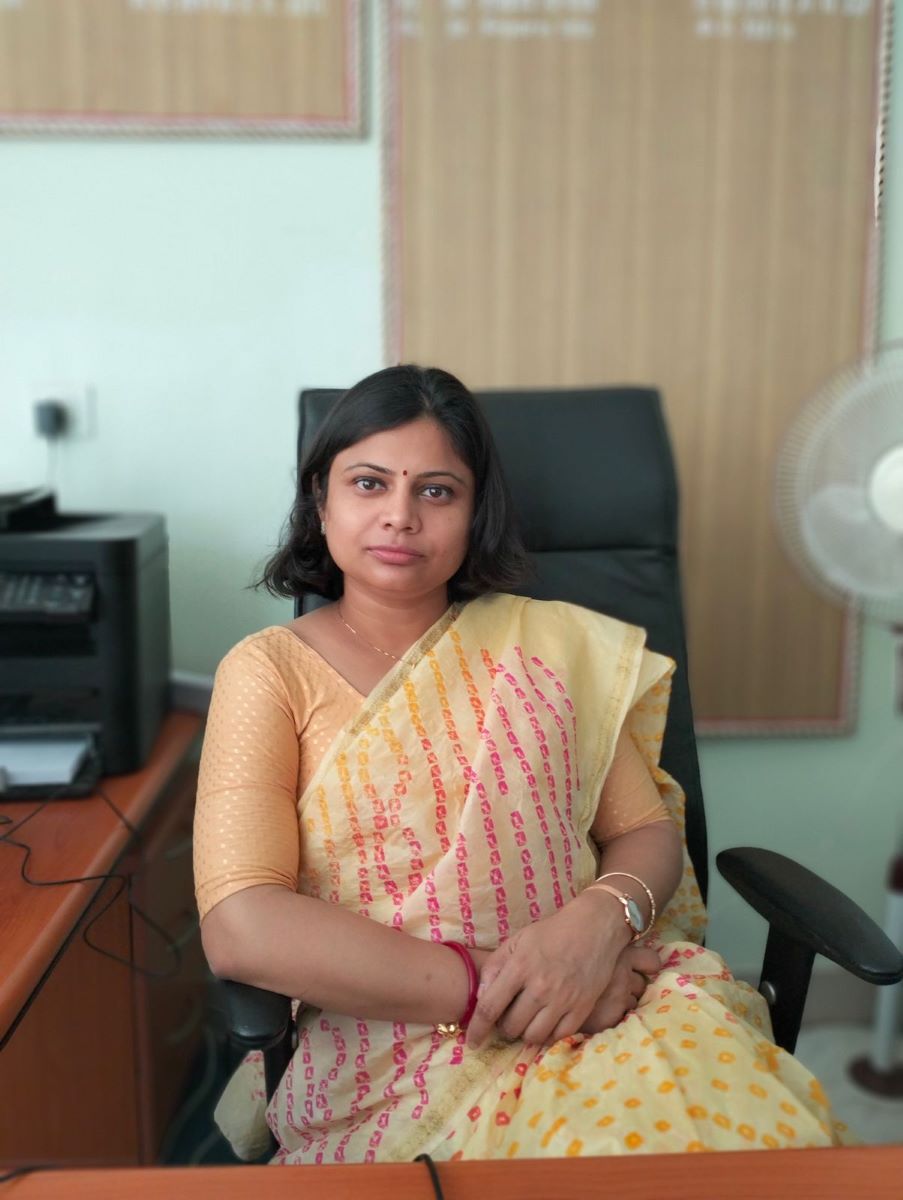
Dr. Sriparna Saha
Email: sriparna [at] iitp [dot] ac [dot] in
THE PEOPLE BEHIND ViLaMA
Organizing Committee
Dr. Vinay P. Namboodiri
Email: vpn22 [at] bath [dot] ac [dot] uk

Dr. Prithwijit Guha
Email: pguha [at] iitg [dot] ac [dot] in
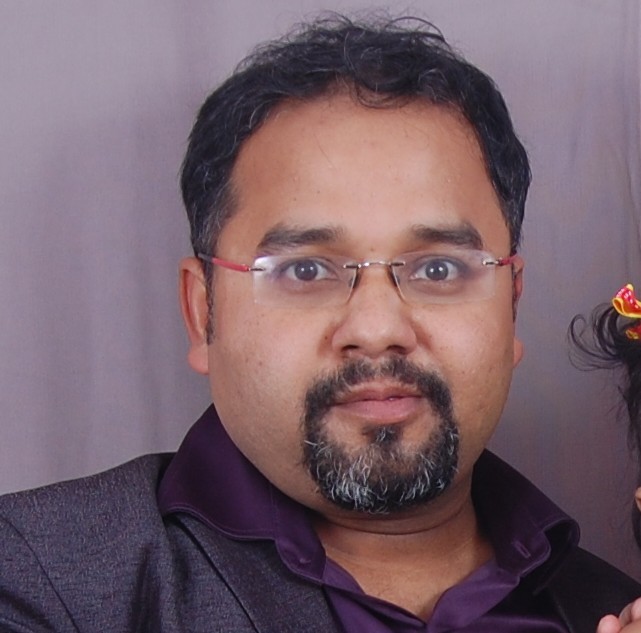
Dr. Badri Narayana Patro
Email: badripatro [at] microsoft [dot] com